You can build anything alone now — I’m not sure that’s a good thing
It was just three years ago and already so much has changed — early 2023, months after ChatGPT stormed the world and threw Google into chaos, I gave a short talk at an all hands for Google Assistant in front of about 100 product and engineering leaders. “My agent will talk to your agent to find a restaurant, book our calendars without us involved.”
I remember my boss being quite moved — we were charting a path for “Hey Google” (now a defunct team) with this new probabilistic technology, meaning we could move beyond “turn off the light” commands into something more conversational, more useful to our users. I’ve been thinking about this problem for some time.
Pushing the boundaries of AI to understand the edges is far more interesting than most tech jobs today. I use it every day across everything I do — shipping apps, running businesses, analyzing taxes, coding with my kids.
I’m frightened by the amount of productivity, but I’m also seeing something missing in the experience. What I see is that friction and costs are decreasing — we can be more productive, slightly more creative — but are we happier?
Shipping an App — and Learning What AI Can’t Do
I built WellRead, a multilingual cross-platform experience — ebook, paper book, and audiobook. The iOS app has karaoke-style audiobooks in multiple languages, e-book focus mode, and even an AI companion. I wrote it with Claude, doing multi-file Swift edits, building Supabase edge functions for the audio pipeline, editing with ElevenLabs, debugging crashes, working through security and privacy issues and finally pushing to the App Store (phew).
Most interesting of all, what used to require standups with engineers and pitching my vision to leadership became a conversation with AI during my morning walks.
Watch the video referenced in this article ↗
<a href="https://medium.com/media/6038376e8868813ede8c3ca8a65a525a/href">https://medium.com/media/6038376e8868813ede8c3ca8a65a525a/href</a>But it goes beyond the app. I used AI to abridge and format the physical book for printing, then corresponded with multiple printing companies to conform to their exact specifications — page dimensions, bleed margins, spine width — all with AI navigating each printer’s requirements.
Here’s the thing though — I have no customers. The app exists, the books are printed, and we’re still trying to get traction. AI made it easy to build but it can’t tell me whether anyone wants it. That’s strategy, that’s market intuition, that’s the human work. You still need the why and the who before the what matters. We need to stop and really think “is this a good idea” because you’re just in a room with a sycophant building what you ask.
During my tech career I had to build conviction and then convince dozens of others — that gauntlet was its own filter for bad ideas.
That said, I wouldn’t have pursued this without AI. Hiring iOS developers, backend engineers, formatting books for print — tens of thousands of dollars minimum. AI lowered the risk enough that I could take the swing and learn from it.
Running a Business Without a Team
I co-founded Amply, a SaaS platform for nonprofit matching gifts, over a decade ago. It’s a small operation and over the years we’ve lost part-time help — as small companies do. Instead of hiring for every gap, I started filling them with AI.
The biggest one was customer service. I custom-coded a Zendesk AI agent that handles inquiries for our nonprofit clients. These aren’t glamorous coding projects — it’s operations work that happens to require code. AI turned me from the person who hires and trains someone into just solving it myself.
Taxes and Personal Finance
This one surprises people. I fed my tax returns into Claude as PDFs and compared them year over year. TurboTax is actually pretty tough to use beyond standard tax scenarios, for us we have slightly more complicated credits, K-1 entries that can’t just be uploaded. I also modeled retirement Roth conversion optimization across tax brackets and built a multi-sheet Excel workbook for tracking quarterly estimated payments.
Claude initially had trouble with large document sets and reading PDFs, but when you approach the problem in chunks you can get past some of the issues (my Anthropic friends advise me this will solved soon). But, in breaking down problems — it’s the theme that comes up again and again — you need to tackle in chunks, not try to one-shot everything. The ability to have a thought partner who can do the math/coding while I provide the judgment is what makes this magic.
Managing Medical Expenses
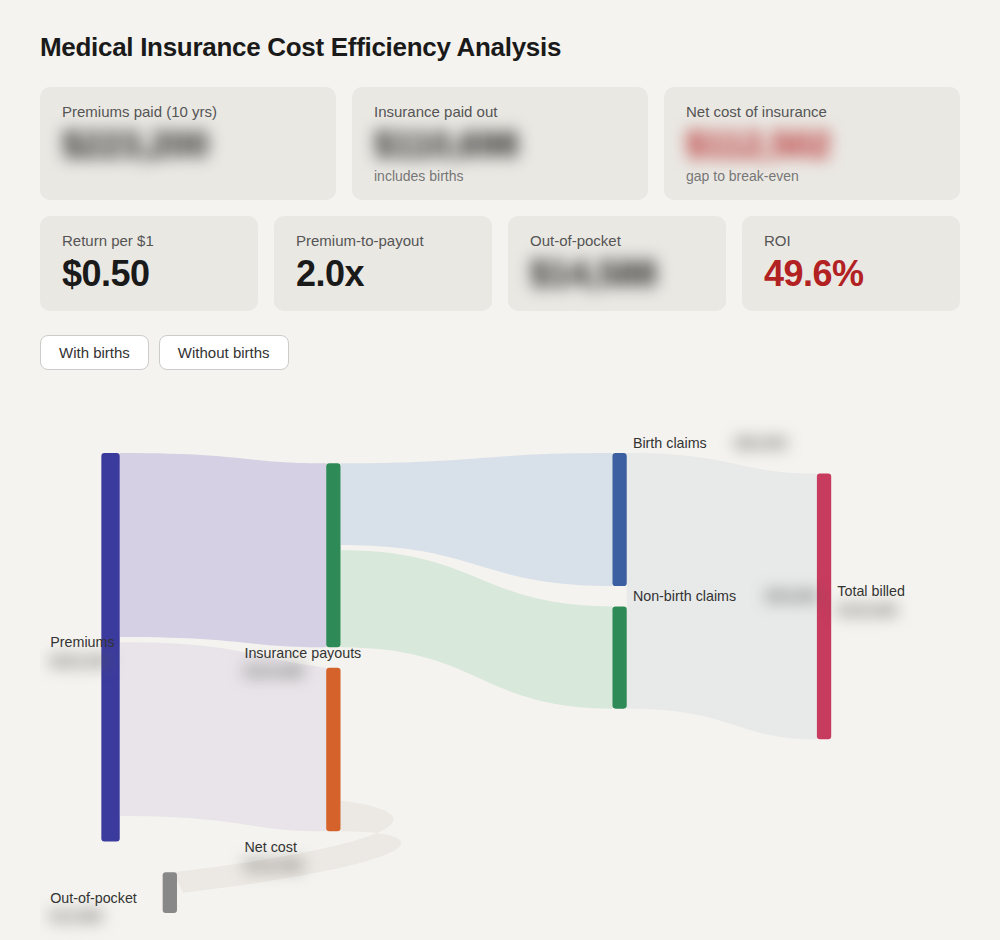
I had 131 medical expense entries spanning about ten years that I needed to submit for HSA reimbursement. I used Claude’s parallel agents to extract billing data from screenshots into a structured CSV — dates, amounts, providers. That part worked beautifully, turning days of manual data entry into maybe an hour.
The actual submission was harder. I tried Playwright scripts and browser automation but the web portal’s React dropdowns defeated every approach. I settled on the Claude browser extension with some manual action per submission — not fully hands-off, but it saved me hours across 131 entries.
Then, since I had the data, I did some analysis on our medical expenses over the past decade. Insurance gives you peace of mind, as we all understand, but most don’t know the cost efficiency of their plans — we do now, it’s about 50% (eg, for every dollar spent across premiums and deductibles, the insurance company keeps half, in rough terms).
Marketing and Integrations
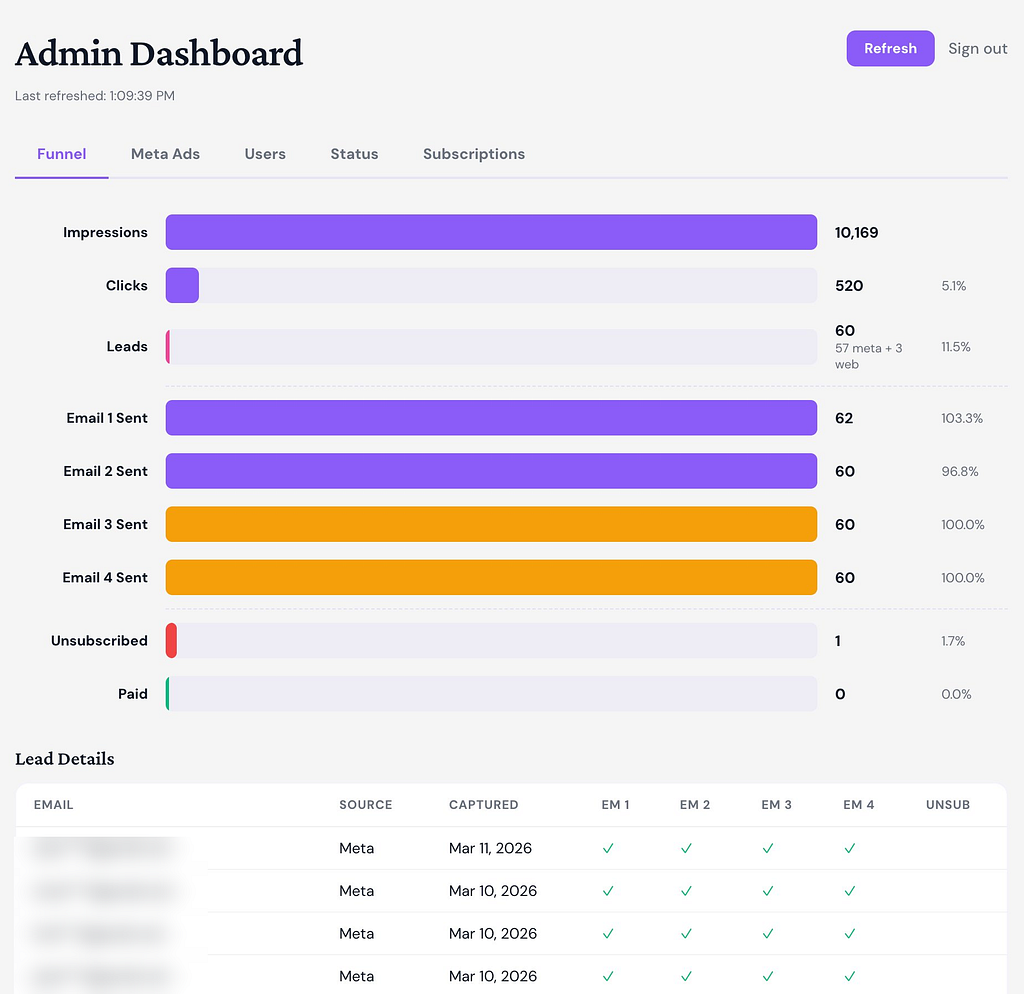
Setting up a Meta ads campaign used to mean hiring someone or spending a weekend in API docs. I integrated the conversion API with retargeting pixels, set up event tracking, and got it running in an afternoon. Researched influencer platforms, built email sequences, configured marketing automation with Slack integration. I got cost per lead down to $1.50, but no paid conversions.
None of this is cutting-edge engineering. But it’s work that used to require a marketing ops person and a developer, and now I do it in a few hours.
Coding with My Kids
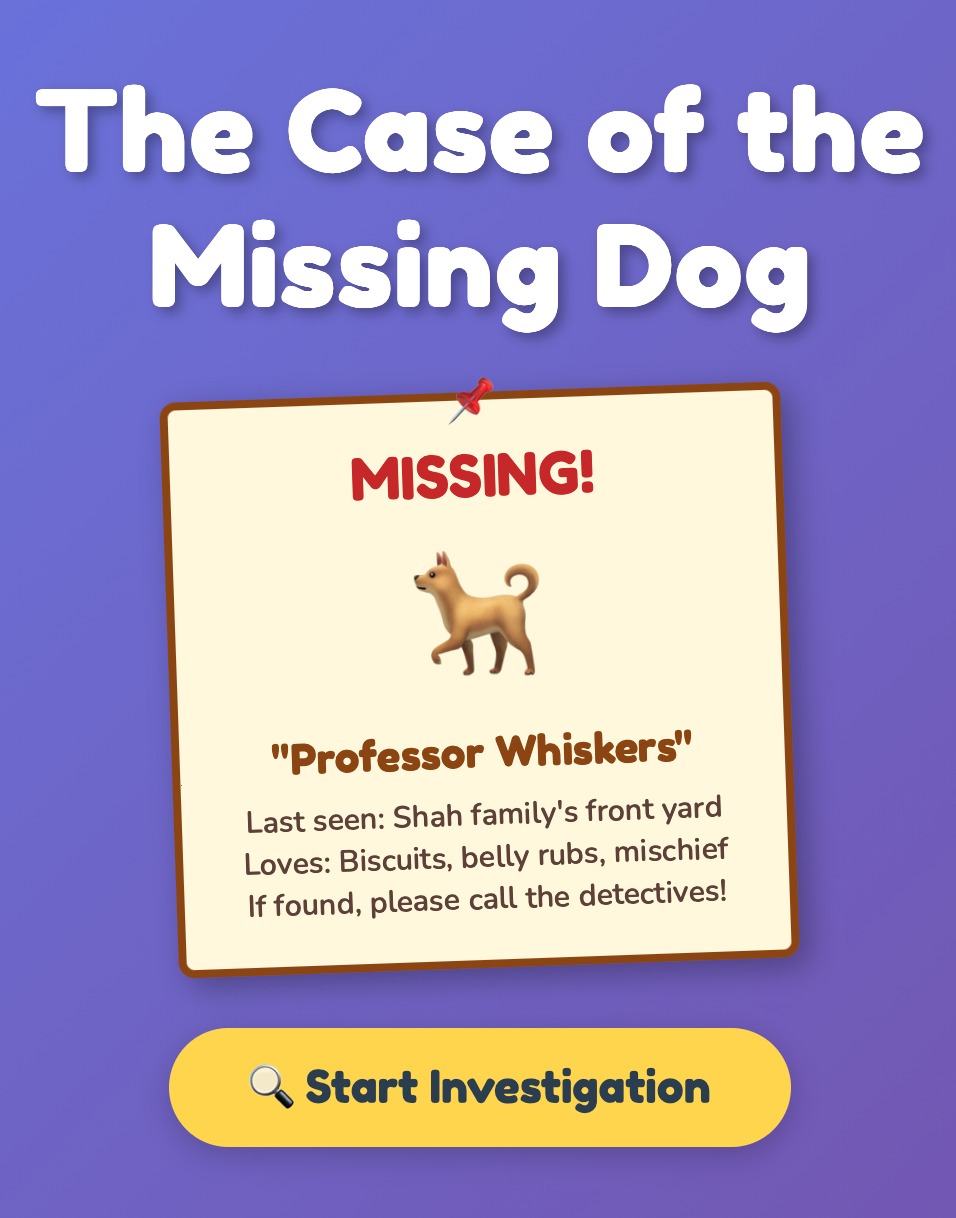
I’ve been having this debate with friends, one has declared they want their kids to be “AI Native” and it made me question my approach. Our kids will have their whole lives to live on a screen, so let’s just delay it. I do now think that problem solving with AI can teach you things. So with my kids in elementary school, I want them to build interesting and useful “stuff” to solve problems WITH technology. For now, they describe what they want, we prompt it to teach us about what it’s doing, pause, ask questions, then we watch it appear on screen. It’s not about teaching them to code — it’s showing them they still need to be creative to iterate to get something interesting.
When It Starts Feeling Human
Here’s the part that’s been sitting with me.
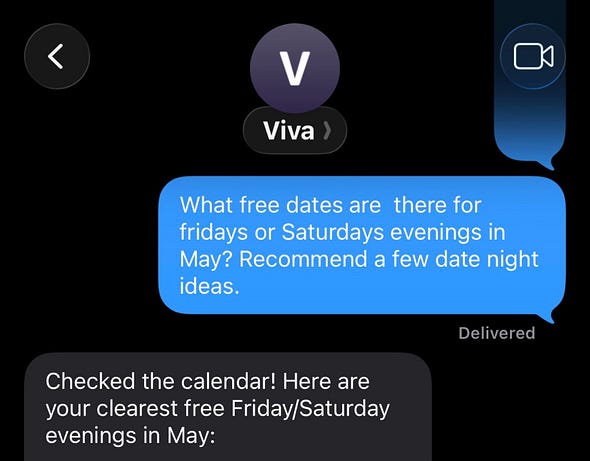
After hearing a friend rave about OpenClaw, an agentic automation tool, I set up my own instance on a virtual machine. Claude helped me debug the configuration. I named the agent Viva — “alive” — and the system even comes with “heartbeat” and “soul” files built into its architecture. It’s easy enough to use AI chatbots, but there’s something different about a narrowly scoped agent with a seamless way to interact.
That inspired me to set up a sandboxed Claude agent with its own email and iMessage integration. All of a sudden it felt… human. I asked about my calendar, got a quick recommendation for whatever was on the calendar that evening, got the address for the new dentist’s office sent to me in a text. It just had the context.
Months ago a friend at a frontier AI company encouraged this kind of exploration. I blew it off thinking AI couldn’t have the context humans have about preferences and routines. Now I see it. A narrowly scoped AI chat in messages bridges that gap and shows a world of possibilities. That talk I gave at Google about my agent talking to your agent — it’s not a slide deck anymore, it’s something I built in a day.
The more I watch this evolve, the more it moves in the direction of sci-fi. It’s becoming more human. Not as hype — as someone hands on with it every day, watching the seams get harder to see.
The Creative Loop and the Loneliness
Here’s how ideas happen for me now. I’ll have a thought, open Claude, brainstorm back and forth — stress testing it, sketching what it might look like. Go for a walk, think without a screen. Come back, start coding. The loop between thinking and building has never been shorter.
But it’s lonely in ways I didn’t expect. In the real world at the office, you’d get coffee with a colleague and an offhand comment would reshape how you thought about a problem. You’d see someone on the shuttle and end up in a conversation that surfaced something you hadn’t considered. There was creative friction from other humans that you didn’t notice until it was gone.
AI is an incredible thought partner but it doesn’t push back the way a person does. It doesn’t have the weird tangential insight from its own life. It doesn’t tell you your idea is bad over lunch in a way that makes you feel good about killing it. I see a more bleak future for the AI solopreneur if we’re not careful — you can build anything now, but you can build it entirely alone, and I’m not sure that’s always a good thing.
What It Adds Up To
In the last month alone: 100+ Claude Code sessions, hundreds of files and directories, 30,000+ lines of code. Parallel sessions across projects — fixing a Swift bug in one window, debugging an email cron in another, analyzing a tax document in a third. I’ll hit my Max subscription rate limit and go for a walk, waiting for it to reset. The break is good to clear my mind.
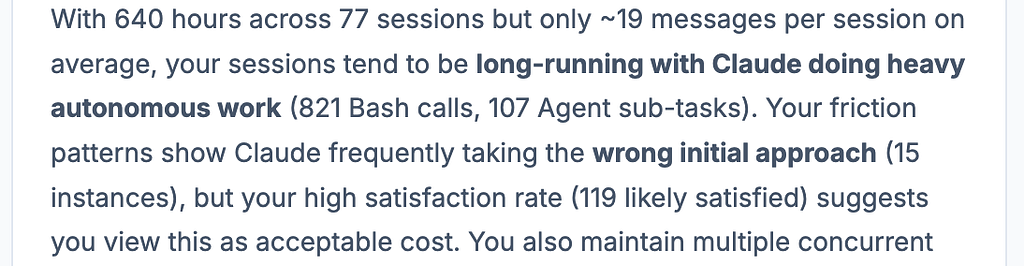
A few years ago this would have required a small team at $10,000+/month, not to mention the people management. I’m not claiming I do all their jobs as well as they would. But for a solo operator running multiple projects, on a $100/month subscription, AI closed enough of the gap for me to solve some real problems, and make new ones. But do we need to be this productive?
I like to see the edges of technology — to imagine an optimistic Sci-Fi future. But, it’s lonely. Is this better than just riding my bike or reading a book? I’m not sure.